Style

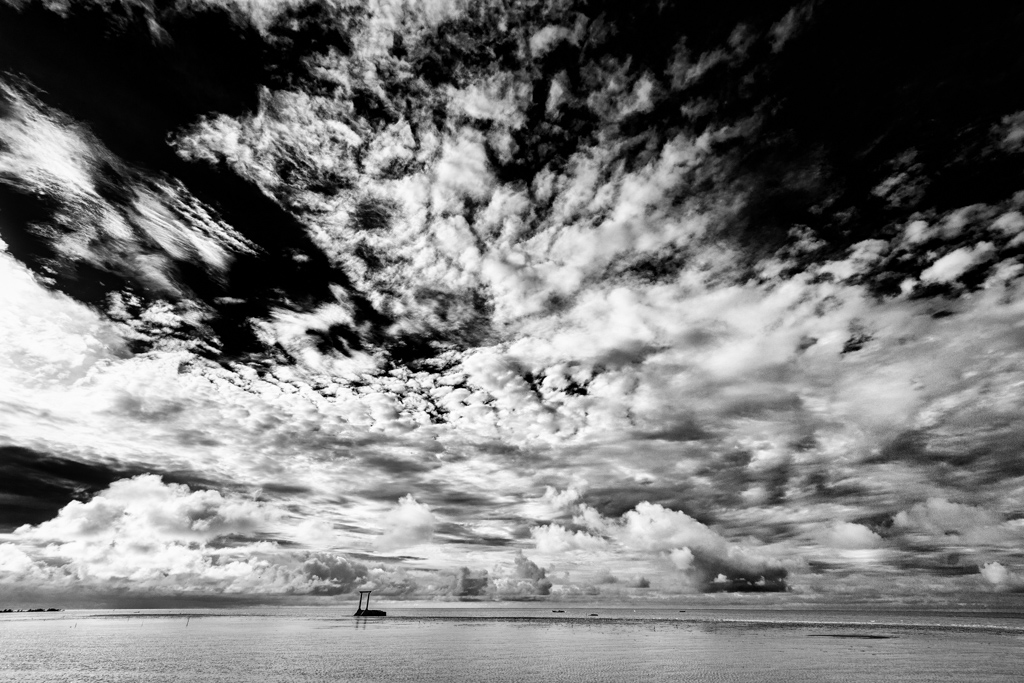
Peaceful at Plaisance – 10-5749

In the earlier years of my photography, my friend Nikhil and I once discussed the various “styles” of some of the international photographers we looked up to and were also comparing with well known, lesser known and likely some unknown local photographers. At the time I didn’t think I had a “style”, but he insisted that I did even though I couldn’t see it, of course, most of his work I could easily identify. 

Fast forward a decade or so, I was chatting with two other friends, Fidal and Taij, and the subject again came up. Taij was listing off names of local photographers and the types of photographs she immediately associated with them, and she was wondering why it was that she did not have an identifiable “style”. All the names and associated photographs she mentioned I understood and could make the same connections, Fidal then listed a few other names, some I could easily associate a “style”, others I could not.

It was in my response to this that spurred me to pen this blog post. I think many of us start off not understanding what it is that makes this “style” we see in the work of others. 
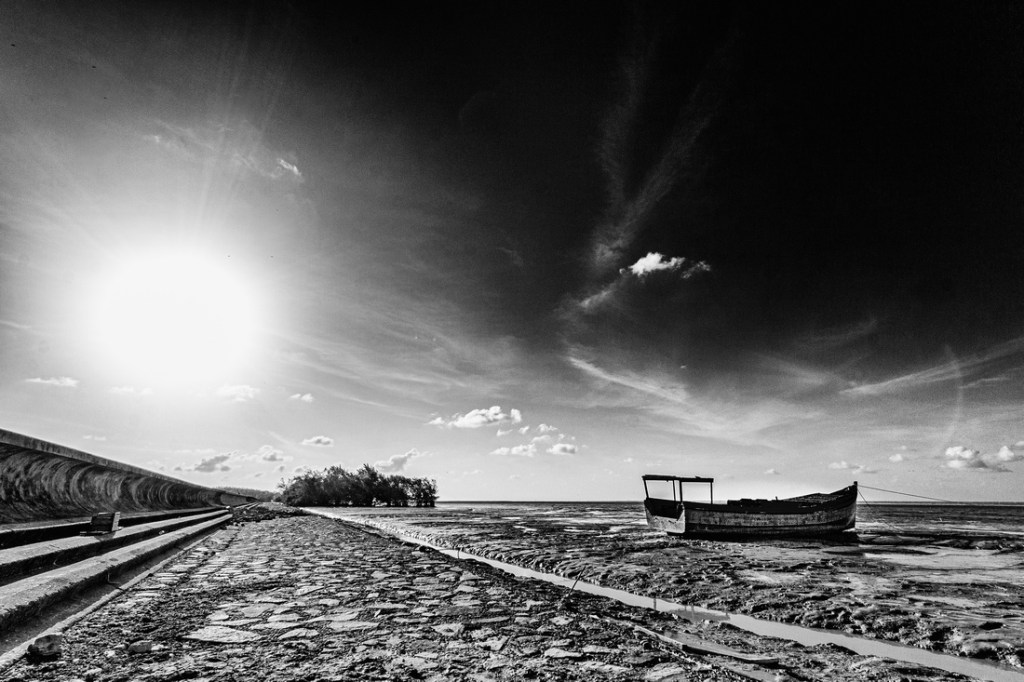
Untitled – 20-7073

In Guyana, all the way up to High School (aged 14-15) we were not taught much about art except for the basics in terms of composition etc., although it is likely more is taught for those taking it as an O-Level subject. We left school knowing nothing about Van Gogh, Rembrandt, Michaelangelo or DaVinci (unless you count the last two as Teenage Mutant Ninja Turtles). So, we knew pretty much nothing about the styles of art. Today I can probably tell a Van Gogh from a Picasso, but only those made in the later years of their lives.

One of the things that was pointed out in the conversation with Fidal and Taij was that one aspect of identifying Photographers through the “style” of their work had to do with familiarity. Because she was familiar with the works of those photographers she mentioned, she could easily identify them; the same could be said for myself and Nikhil a decade ago, although he would probably insist otherwise. Some of the names Fidal mentioned as well as many other local photographers likely have a style but I don’t associate a style with them because I am not as familiar with their work because I have not seen enough of their work, either because I haven’t seen them in the networks I peruse or because they have not shared as many photographs.

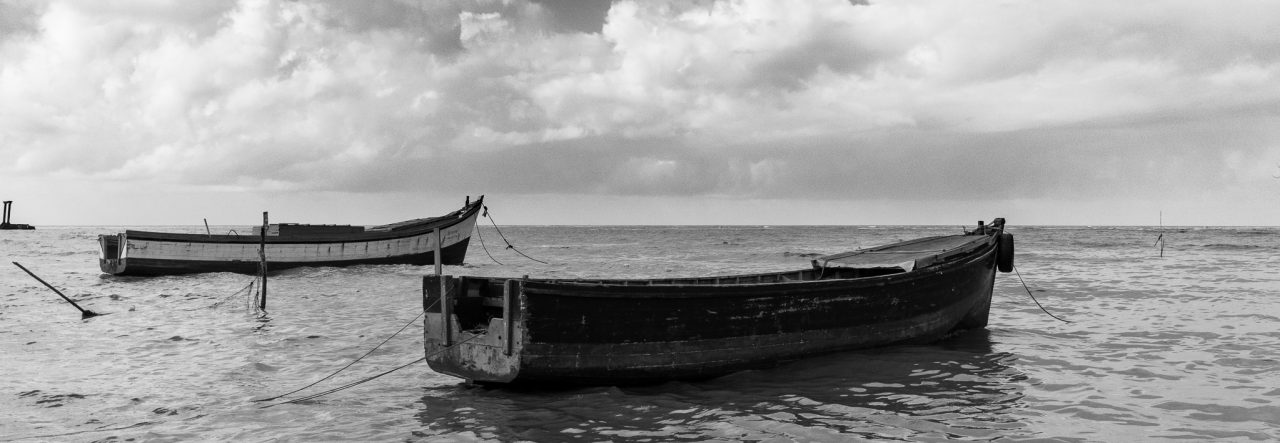
Last Rays at Lusignan – 12-5003

I prefer not to call any names, although I am sure that those I’m referring to can easily be listed by members of the photographic community here. For over a decade there has been a movement of sorts, pushing photography among the new generations, this came with easier access to digital photography. The Guyana Photographers Facebook Group has been around almost 14 years now, and in that time, we’ve seen many photographer rise and many have very recognisable “styles”. Some skyrocketed to fame, carving out niches in the social networks of society and had their images spread through existing social media networks, their style of photographs becoming instantly recognisable by many, some becoming household names. I can probably identify three of these myself, there may be others, I respect them, and although most of their work was more portraiture, I also know their work outside of that and admire many of those works.

Other photographers worked at their photography over time, slowly becoming known in various circles. Many of their works are also deserving of praise and admiration. Because of their steady presence, their style of work became just as well known. I consider my work to be among the latter.

Elemental – 13-5549

At the start of my photographic journey, I started a project called the Deck Project, the title was chosen because of the number of photographs. I couldn’t be like other photographers and call it “A Photo a Week” – I had to call it something different, so since it was 52 weeks in a year, and 52 cards in a Deck of Playing Cards, I called mine The Deck. This type of project is akin to forced photography, you HAVE to keep taking photos to have at least one good one every week, and if you set yourself themes it further forces you to take photos in ways you normally may not. During those years, I learned a lot, it was about exploring, exploring different subjects, different techniques, even different lenses, etc., and in that exploration there are no identifiable styles that I can think of, after doing that project for a while, I found where my interests lay in terms of subject matter, and its only then that I was seen to have a style.

When Grace Aneiza Ali was curating for the Un | Fixed Homeland, she came to Guyana looking for a few photographers to include, I was unprepared, and it showed. Nikhil had always said that photographers should have Projects with themes, groupings of photographs that we spent time on, curating them into small collections; I had never done this specifically. When Grace came looking, I realized that the haphazard hodge-podge sets of images I was showing her were not gong to work, it was at this point that upon careful consideration of my work I started to eke out those that spoke to me on a deeper level, and my Oniabo Collection was born, a set of Black and White photos taken along the seawalls and seashores. (All the images in this post are counted among my extended Oniabo collection.)

Koker – 19-6377

All the photos in this collection had a similar style and it was what I had then become known for. These days I take less of those images, for varying reasons. I do a lot more Street Photography, which was something I never saw myself doing, I’ve never been comfortable with a camera around people, nor interacting with people. This is probably why I liked the seascapes and landscapes so much. I think my own style of Street Photography is still evolving but I can already see a particular slant and style to it.

Now for the crux of the matter. What exactly makes the style? I certainly didn’t go looking for a style, and I would probably have failed if I did. Style is not just in the initial taking of the photograph, that’s just part of it. Yes, your composition, your choice of subject, your decisions of perspectives and your use and preference in lighting will contribute to your style, but so will your choice of lenses, maybe even your choice in camera. The last part I think that really has a big impact on your style is your processing. From your choice of processing (editing) software, to how you use it, or them. There’s a certain young lady, Savita, I’m naming you here, although she tried her hand at DSLRs, her use of a cellphone and Snapseed, and her own particular approach to her subjects and how she processes them in Snapseed have given her work a particular style.
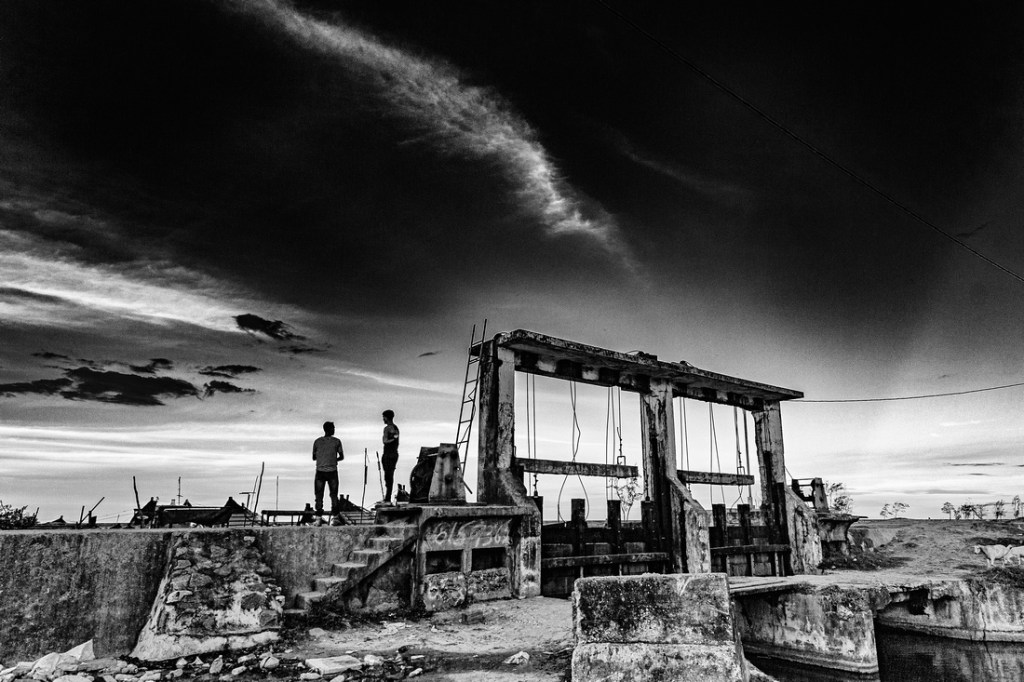
Koker at Lowlands – 21-8136

Some people develop their particular style through a demand for a certain aspect of their photography, this happens particularly to those doing it commercially, others find their styles eventually, or their style finds them, depends on your perspective I suppose.

Don’t give up, just keep shooting, and pay particular attention to they type of subjects you love and how you wish to showcase them, for many that’s where their style finally emerges.

Click on the images to see them in the collection along with many other images.
0001

For photographers, or I should say digital photographers, that 0001 number usually means you’ve cycled through the 9,999 actuations on your camera and you’re starting over, or some photographers actually do a reset to 0001 when they start a new year, or whatever period they decide to set for themselves. More commonly, it usually means a new camera, fresh out of the box.

Late last year, someone (or maybe a few someones) broke into the office where I work (photography is not my day-job, or night-job for that matter) and they stole my camera bag with all the gear in it, to date we have not recovered anything from that. So, after several years, I’ve had to acquire a new camera, at least one for now, I can’t quite replace what’s gone, but I’ve started somewhere. Thanks to a little saving and a lot of help from friends I don’t deserve, I got what’s essentially a mid-range mirrorless camera.

So here’s the first image from the new Camera:

23-0001 | Seascape – Thomaslands Seawall, Georgetown, Guyana – 2023

For those interested in the gear, don’t wait to be impressed…. its a Canon EOS R7, the lens I used for this image is the Canon RF 16mm F2.8 STM.

Click on the image to see it in the Gallery along with other Seawall images. Keep Shooting!

Sons of Stribog

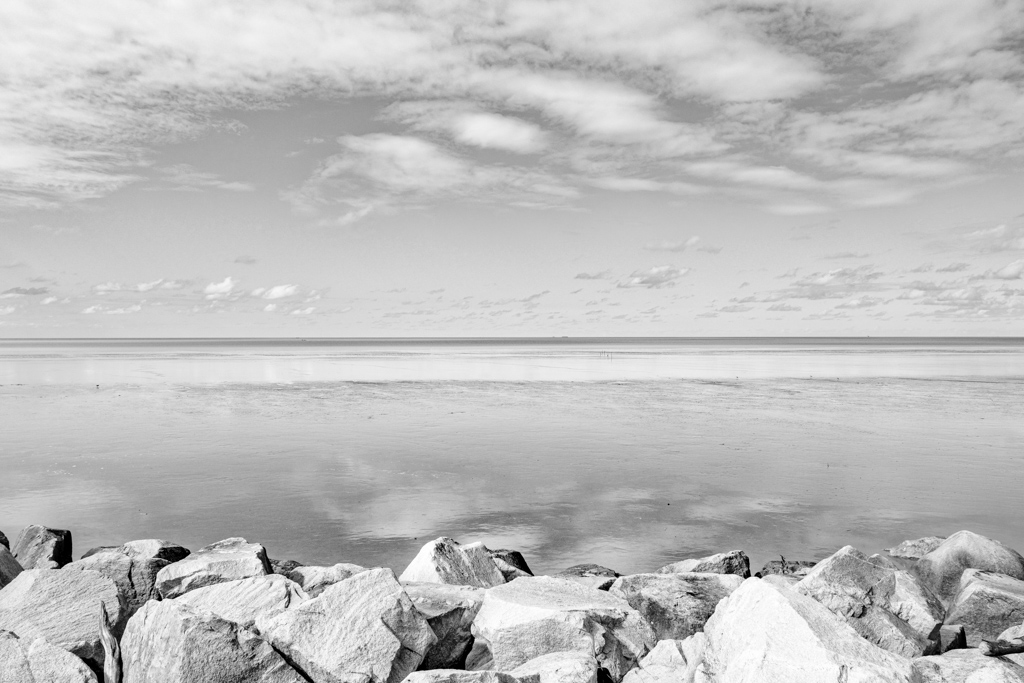
For most people who have followed my photography for any time, they know that I have a penchant for seascapes, and especially for high contrast black and white images of those scenes. This one falls right in to those. As a matter of fact this one is the latest addition to the ongoing Oniabo series of such images.

This was taken with the Canon 60D using a Sigma 10-20 ultra-wide angle lens, this combination was my favourite; I had gotten quite attached to it, quite familiar with the ultra-wide aberrations that I could use to advantage, and I even became quite fond of some of the softness I got from multi-layered scenes.

My processing is by no means unique, and I have no secrets about it; this one was cropped ever so slightly to adjust for the horizon, it was processed in Lightroom for brightness, contrast, texture, etc., then I took it into DXO’s Nik Silver Efex for the final black and white treatment, using a High Structure harsh approach with some localised adjustments in the sky and near the koker (sluice), with a red-filter applied for the darkening of the sky. Nothing was added or removed (aka Edited), just processed for the final look.

Sons of Stribog – 20-7135 | Abandoned Koker, Lusignan, East Coast Demerara, Guyana. 2020

…the winds, the sons of Stribog, blew as keen daggers.
The earth groaned, the waters thickened, a pall of mud
lay over the fields and the very folds of
Igor’s standards shook in agony.

The Tale of Igor’s Campaign

Those kokers that just sit there off the shoreline always fascinate me, they remind me that our shoreline was once further out, and that mother nature (or the Gods, whichever ones you care to blame for it) has reclaimed it. The quote above is from a Slavic poem, the mention of the winds, the Sons of Stribog were synchronous with the look of this image, with the seemingly forceful dispersal of clouds by the winds. Weird associations and thoughts often happen with me 🙂

Click on the image to see it in the Black and White Gallery, along with many other images there. Keep Shooting!

At Day’s End

I don’t want to be the one telling you a story in words, I want to be the one telling you a story in a photo, but who’s story is it?

Are you seeing and interpreting the scene in the same way I do?  Does it matter?

The photograph as it was taken tells one story, what that story is may be entirely up to the viewer, after I have processed it, there are some subtle and some not so subtle changes to the finished image (not edited, nothing has been taken out or added), in this manner, I hope to direct the line of thinking in a certain way, whether it works or not is another matter, but in this way I am interpreting the scene my way, and lending to it my feelings; how the viewer sees it is still up to the viewer.

Many people take scenes literally, others concoct long tales based on the elements in the frame,  others may just have an emotional reaction but not know precisely why;  if it affects you, then I am happy.


At Day’s End – 14-3289  |  Lusignan, East Coast Demerara  |  2014


Click on the image to see it in the Gallery along with other images in the Black and White Collection.


Discovery

– 1499 –
Imagine that somewhere on the horizon is a line of three Galleons…
okay, fine, Galleons are more impressive looking, but we’ll revert to the truth;
there’s a line of Caravels, three of them, heading from the north-west, somewhere where the clouds disappear into the distance.

If you grew up as I did, you were taught that many of “our” countries were discovered by that fellow Chris, but the leader of that flotilla on the horizon was not Chris, but Alonso.

If you can see the flotilla, imagine now that one of those caravels has separated and is heading our way, in a more south-easterly direction along the coast, the remaining two are heading further west and stopping at the mouth of the Essequibo;  Alonso is now the first European to be recorded as seeing and touching our shores… and in that south-easterly heading caravel is Amerigo, who is on his first voyage (second, if you believe a disputed letter), and it is after this explorer that the joint continents of “America” are named.

As for that fellow Chris, this voyage by Alonso, his pilot Juan and navigator Amerigo quite displeased his followers, which resulted in quite a fracas in Hispaniola 🙂

If you stand on our shores and stare toward the horizon, you will not now see those caravels, but in the wake of those voyagers, using the trade-winds and ocean currents, are many ships; and I wonder, what are those sailors thinking as they look towards land?  Are they thinking of those days of discovery?  Are they thinking of the journey home?  Do they see the stars as did those long-ago conquistadors did?

I was processing this image when thoughts of the actual “discoverers” came to mind, hence the long messy thought process above 🙂


“And both that morning equally lay

In leaves no step had trodden black.”

Robert Frost – The Road not taken

Canon EOS 60D, Sigma 10-20mm  |  Kingston, Georgetown, Guyana


Click on the image to see it in the Gallery


2015 Deck – Week 46

Oniabo

A different scent
in the air,
sounds of birds,
fishermen toil;
Clouds adrift
upon the horizon,
a distant sun
in heaven’s vault.
The moon upon
the oceans pull,
the fish upon
the tide at play;
Meandering shore,
of rocks and
mangroves,
shore of sand,
mud and life,
Oniabo I hear,
the sea, it calls,
Oniabo I fear,
the sea, it calls!


Oniabo is the name I have given to a currently ongoing Black and White Seascape collection of photographs.  Oniabo is an Arawak word meaning “water”; the selection that I used for a presentation at Moray House Trust can be seen here.

A video of that presentation can be seen alongside other presentations of The Photography Sessions at Moray House Trust at www.ThePhotographySessions.com


Oniabo 15-0380  |  Canon EOS 60D, Sigma 10-20mm


Click on the image to see it in the Gallery along with other images from this year’s Deck Project


2015 Deck – Week 22

Come away with me…

As I sat and processed the image, those words came to mind, as I sit and look at it after I have finished the processing, it still remains lingering and softly playing over and over again in the cerebral auditorium.  I titled it simply “Basket”, but the feel I get is still “come away with me”…

Each photo has a different effect on each viewer, but this one, more than most recently, has a deeper more calming effect, I can feel the breeze, smell the salty air, hear the sound of the surf, feel the warmth of the sun on my skin…  I can hear the voice of Ms. Jones, soft, sultry, creamy, crooning to me to come away…


Kingston Seashore, Guyana, South America.


Click on the image to see it in the Gallery, along with some other images from this year’s Deck Project.

2015 Deck – Week 03

I don’t normally do abstract photography, actually, even including this photo I’m not sure I’ve ever done abstract photography, I just don’t see the world that way.

This photo I liked, I am not sure why, it just appealed to me, even when taking it.

To me it has an amalgamation of the things that make me “feel” like I am where I feel most comfortable, where I was born, where I was raised, where I belong…  I am of Guyana, I am in Guyana, I am Guyana!

Now that I’ve gotten the crazy bits out of the way, here’s the photo 🙂


Canon EOS 60D, Sigma 10-20mm  |  1/125s, f/10, ISO 100


Click on the image to see it in the Gallery.

…. and yes… that bit in the top right hand corner was knowingly left in the frame 🙂

Smoke Signals

There was this “plume” of clouds in the sky that reminded me of the smoke signals I remember seeing in old Western movies, except that it was more contiguous than the separate puffs that I remember from the movies.

I was trying to get an average exposure, but no matter what I did that day the birds in the boat just “glowed”, the intensity of the afternoon sun I guess was just too much for my camera lens/sensor.

I only looked back at this image today and decided to process it through anyway 🙂


Canon EOS 60D  |  Sigma 10-20mm EX Lens (@20mm, 1/125s, ISO100)


Click on the image to see it in the Black and White Gallery, along with many other of my Black and White images.