It was only yesterday (August 21, 2024) that my friend Nikhil shared a post from Quora in which the answer in response to a query about whether a certain artiste was a good singer was “A good singer is one that people enjoy listening to and want to hear more of. That is the only definition that actually matters”. Simple, and accurate. The same applies to every artform.
So, when identifying “good photographers” we apply the same reasoning, it will be those whose photographs are appreciated by others and more photographs from the photographer are usually anticipated or sought out.
Guyana has many good photographers, their appeal varying depending on the appeal of their style etc. When it comes to Street Photography, I would say that the field is quite smaller, but still with diverse enough styles on offer.
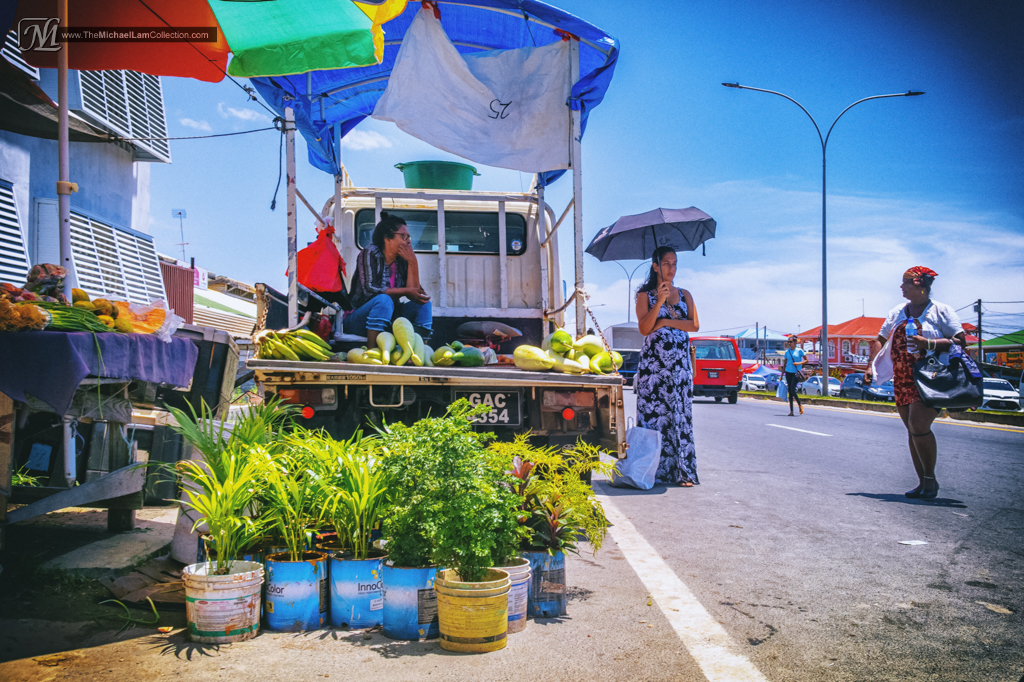
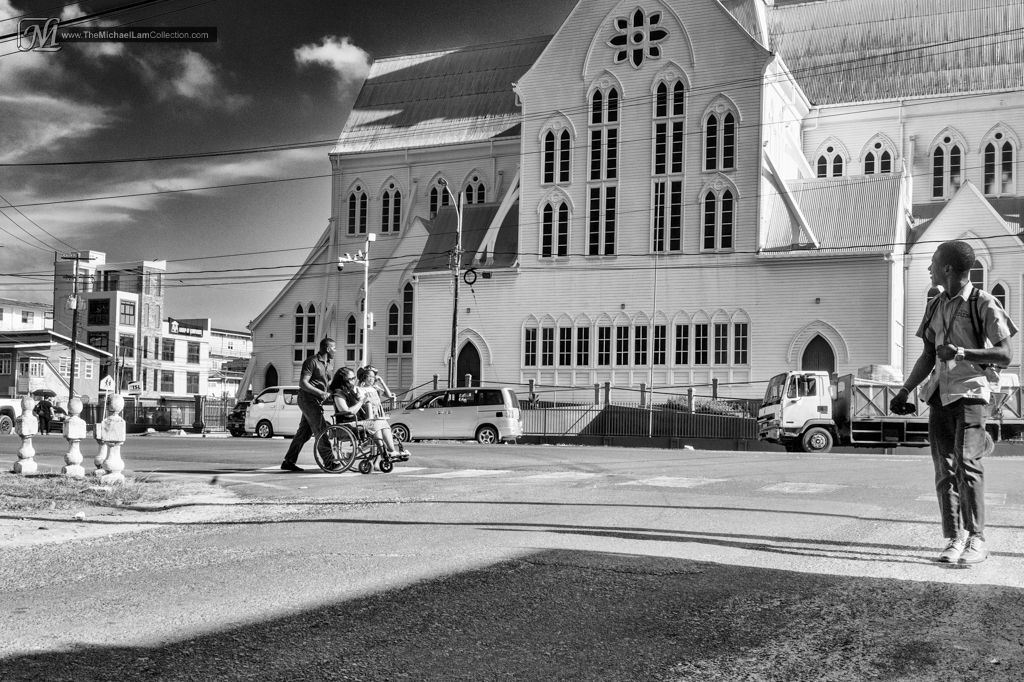
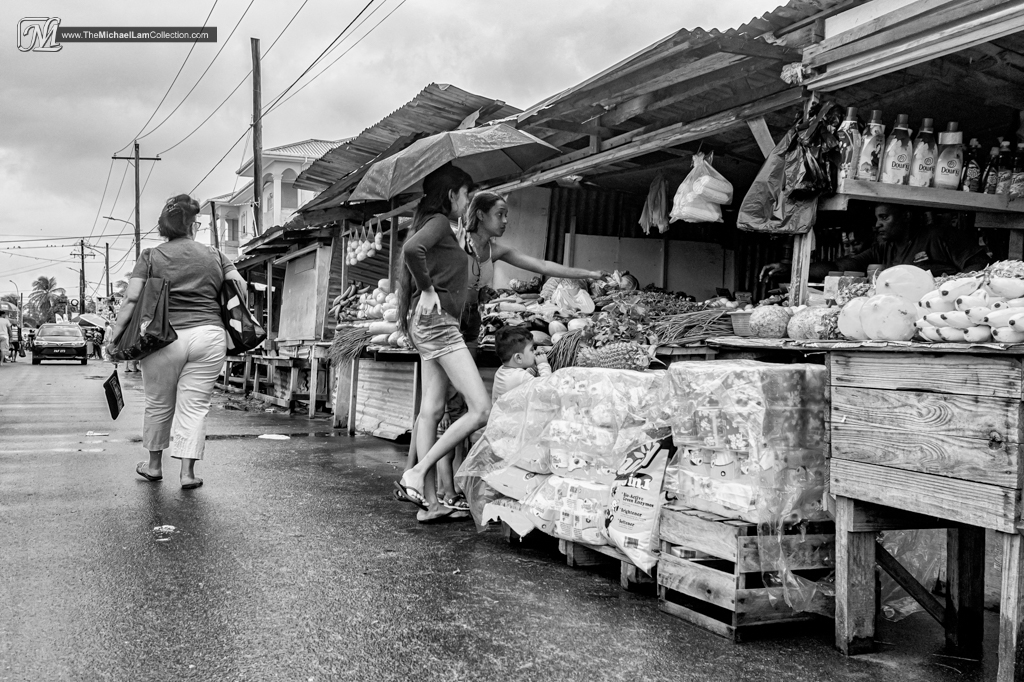
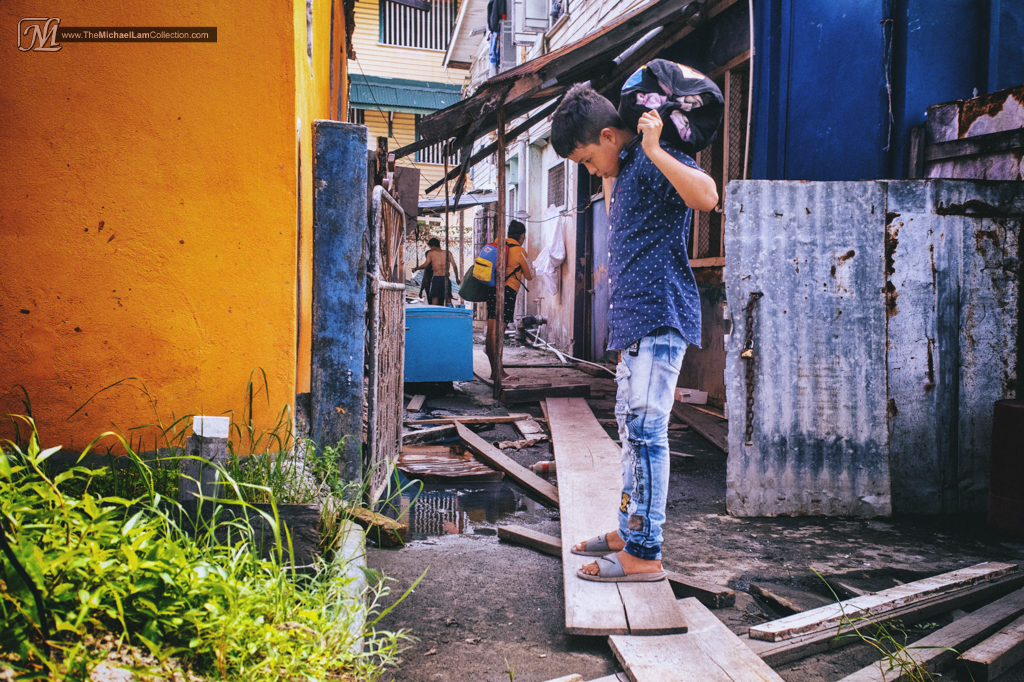
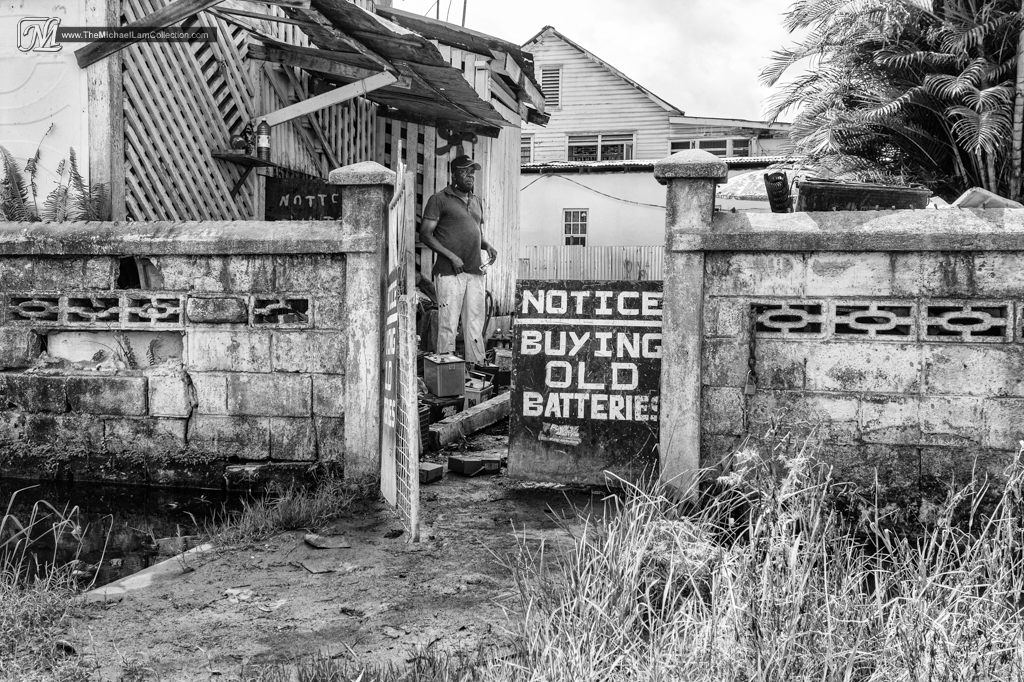
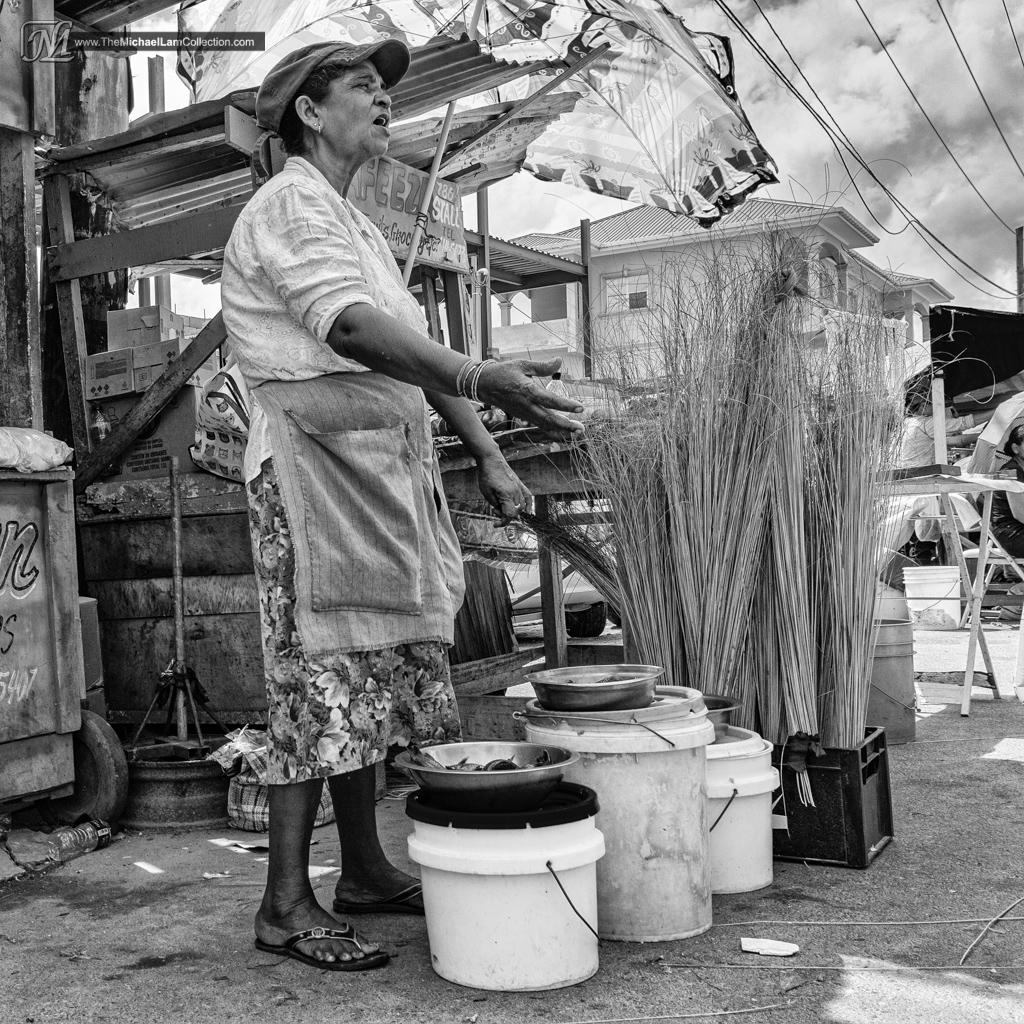
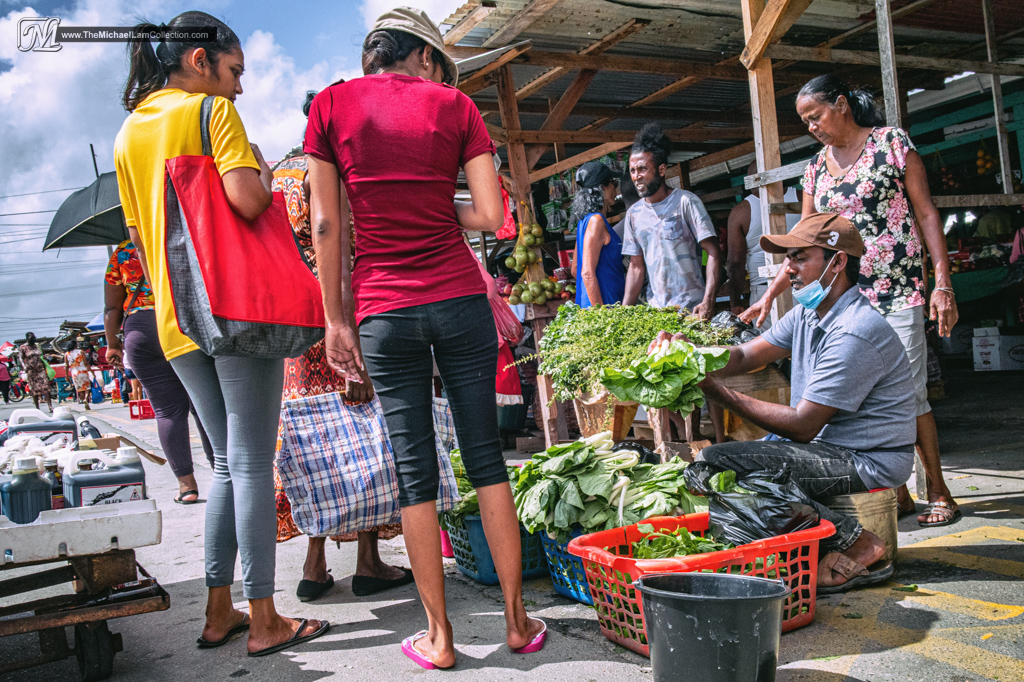
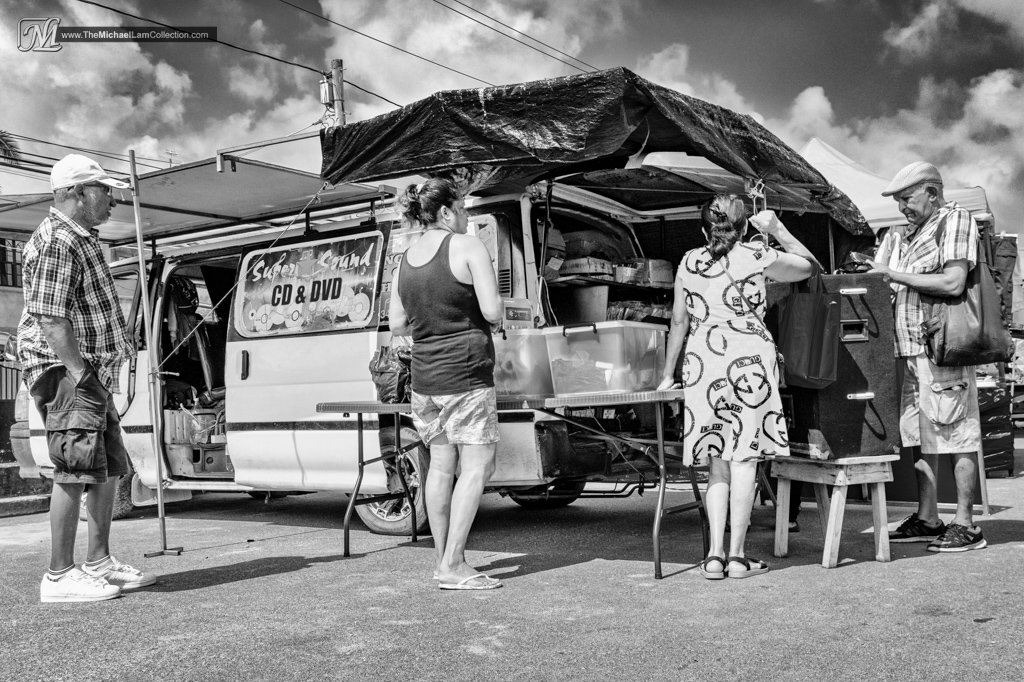
Today (August 22nd, 2024) is Street Photography Day in honour of the man considered to be the father of Street Photography as we know it, Henri Cartier-Bresson. I’ll share two of my more recent Street Photography images, one taken almost three weeks ago at Mon Repos Market, and the other, taken yesterday with the idea of posting it today for Street Photography Day. In both the aspect to be looking at are the actions, postures, or the impression you get, from the people in the frame.
While Henri Cartier-Bresson is considered the father of modern Street Photography, many others have contributed to the development of the genre over the decades, including but certainly not limited to Dorothea Lange, Lee Freidlander, Vivian Maier, Gordon Parks, Jamel Shabazz, Brandon Stanton, Saul Leiter and Bruce Gilden.
From the late 1800s/early 1900s to today, the approach to Street Photography has changed, influenced not only by artistic endeavours, but also by the changing times, changing attitudes, and of course, the camera itself. The bulkiness of the early cameras would have put many limitations on the approach to Street photography, while the development of portable cameras in the early 1900s, photographers were more mobile, with the ability to take the equipment out in the streets without the need to lug large equipment around and setup for the shot.
As cameras got smaller, more affordable and more easily accessible, and with the development of coloured film, the approach to Street Photography changed with the times.. Today, we not only have the left-over DSLR Cameras, but also newer mirrorless cameras, standard compact cameras, and the modern mobile phone with built-in cameras that can often rival many compact cameras.
Most of my Street Photography is done using a camera that is smaller than a standard Business Card, and about an inch thick. It allows me to stay somewhat unobtrusive, and be more likely to catch the candid moments I’m on the lookout for. Although being unobtrusive for me is hard, since I look oriental (that being a very small portion of Guyana’s population), and I inevitably wear some sort of Hat, for which I am relatively well known.
If you’re a Street Photographer, or even have some inclination in that direction, are are a fan of the genre, have a Happy Street Photography Day, and enjoy taking those Street Photos.
I think I shall go home after work and browse through that Vivian Maier book that I’ve neglected for a little while.
There were (and sometimes even “are”) times in my photographic journey when I’ve wondered whether I was a Good Photographer, at this point, my friend Nikhil would thump me upside the head just for thinking it, since there are people who like my photography, and many have remarked about my absence from the local scene recently. I acknowledge, based on the opening premise of this post, that I am a Good Photographer. Cheers to all you Good Photographers out there!







 The Michael Lam Collection's Blog